
An Inward Turn
Cultivating Patience

Despite renewed commitments, local involvements, continued interaction with folks who care about me, and other sources of solace, lately I have been taking an inward turn. Although as previously mentioned I don’t like to talk about myself much, after twenty-five years of blogging and the loss of my dear Elisa three months ago I am finding it helpful at times to use this weblog as something more like a diary, so I’ll attempt to describe what’s going on in my head and my heart.
The outward signs are clear enough: I’ve been ignoring news of the wider world even more than usual, immersing myself in the eternities (e.g., going deep into the writing of my Aristotle book), listening to highly contemplative music (Bach’s Art of the Fugue, Palestrina’s Canticum Canticorum, Gabriel Fauré’s piano music), and therapeutically pouring my emotions into playing guitar (specifically a beautiful old Martin D-28 that I recently purchased from a friend).
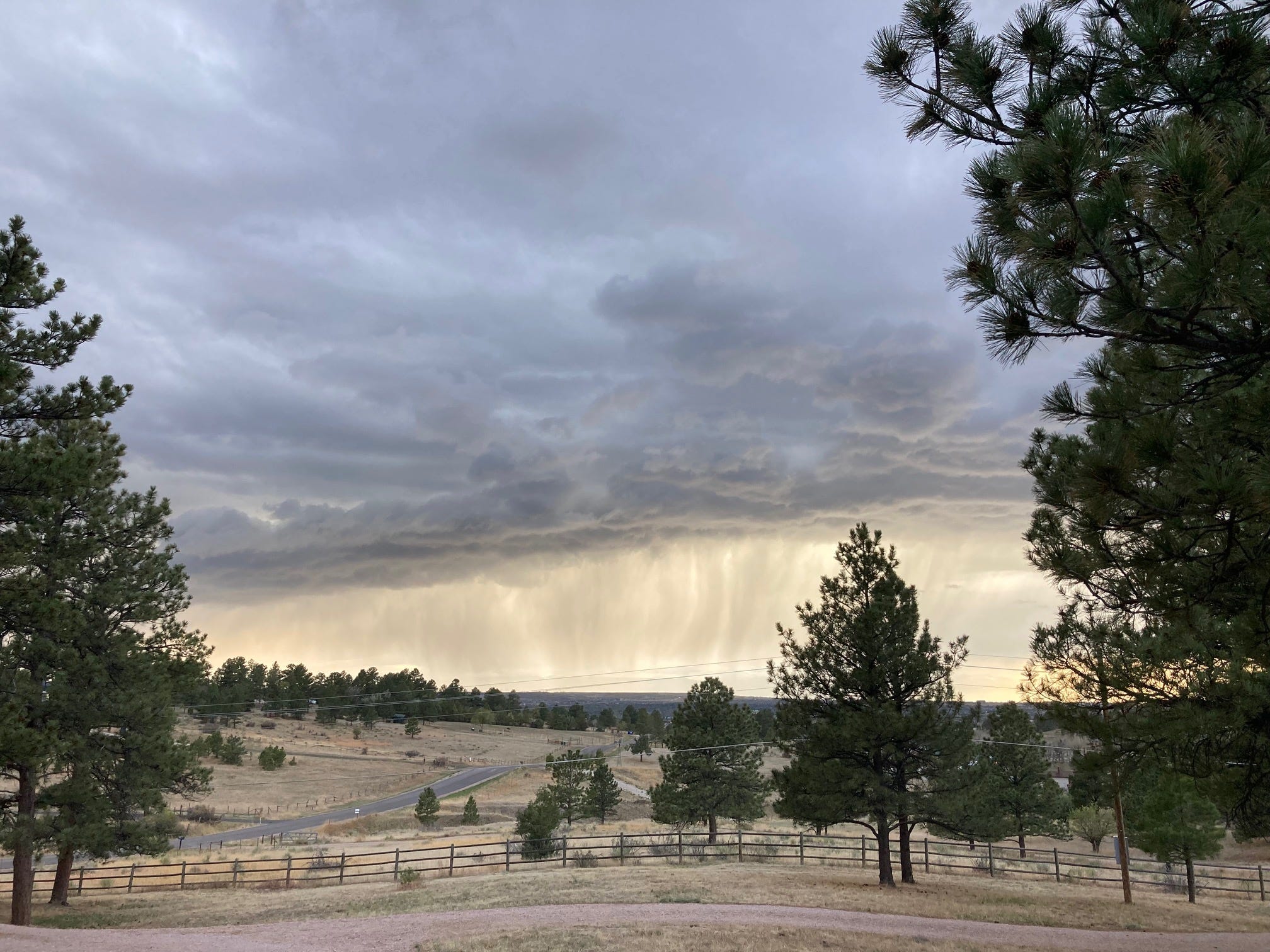
The inward signs are more subtle. Maybe the recent rainy (and tonight snowy) weather has seeped into my soul, but I have this vague bodily sense that things are off. My feelings are closer to the surface. It’s been harder to maintain my emotional equilibrium. Sadness often comes unbidden in moments of quiet. The noisy world is something I try to avoid. As difficult thoughts and feelings occupy my mind, the best I can do is simply sit with them. I’m not solving problems or working through impasses in any obvious way, just being.
I suppose these experiences represent yet another variety of grieving that will manifest itself, perhaps along with many others, during what I foresee will be a long process of coming to understand and adjust to Elisa’s passing. In the meantime I’m working to cultivate, to the extent I can, a stance of profound patience.
Beautifully expressed, Peter.